PeacePlus Nature believes that everyone deserves to experience the wonder of a world teeming with life, yet the reality we face is stark. Northern Ireland is one of the most nature depleted places on the planet with 12% of species threatened with extinction on the island of Ireland as a whole. A statistic that underscores a landscape in quiet crisis. That’s why RSPB NI as lead partner, are leading with a transformative charge, bringing together nine partners across Northern Ireland and border counties of Ireland to launch PeacePlus Nature.
PeacePlus Nature is a €20.8 million lifeline. Spanning over four years and uniting nine powerhouse organisations – led by RSPB NI, in partnership with BirdWatch Ireland, Butterfly Conservation, Lough Neagh Partnership, NI Water, Truagh Trust, River Blackwater Association, Monaghan County Council and An Taice – National Trust for Ireland.
Partners



What the Programme Offers
The Programme works to protect and restore cross-border habitats and wildlife. Designed to benefit both nature and the community, it will work locally, to support key species that are facing major declines. The project will focus on three key pillars: Species recovery, Habitat Restoration and Community Engagement. The heart of this project involves engaging with landowners, farmers and the local community, equipping them with the knowledge and power to support nature right on their doorsteps.
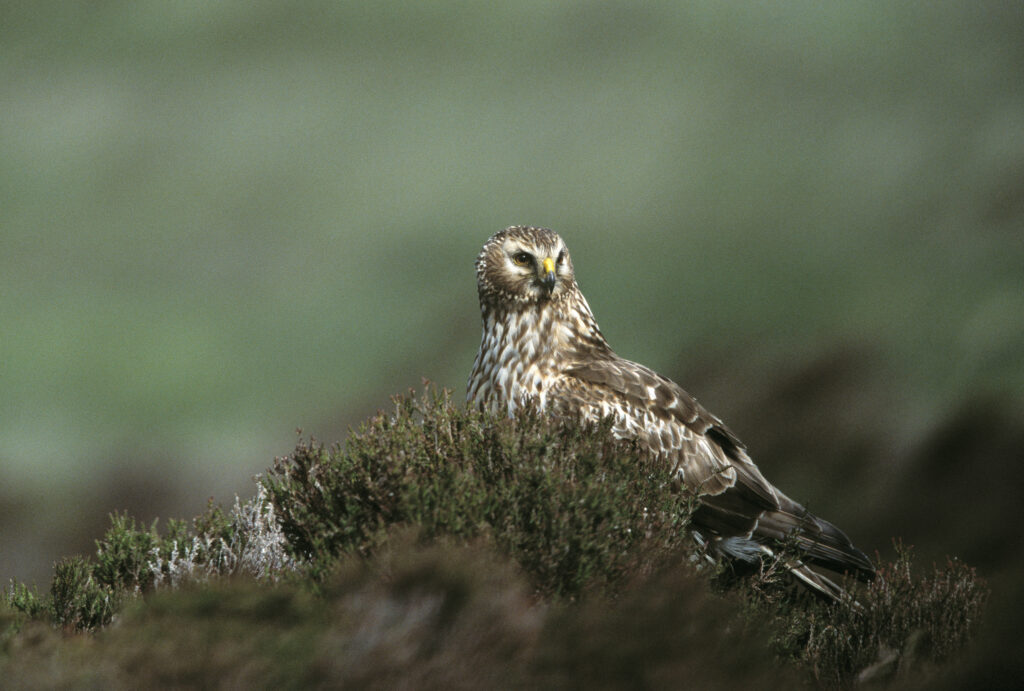
One of the most vital habitats for nature is our peatlands. In the Antrim Hills and at Slieve Beagh, massive restoration efforts are underway to revitalise these landscapes. Peatlands are essential for carbon storage and provide essential habitats for birds such as Hen Harrier, Curlew and Merlin. At Slieve Beagh, partners are removing over 700 hectares of invasive Sitka Spruce to restore the open bog habitat that these birds need to hunt and nest. Similarly, the work in the Antrim Hills focuses on specialist recovery, ensuring these ancient landscapes can continue to provide for generations to come.
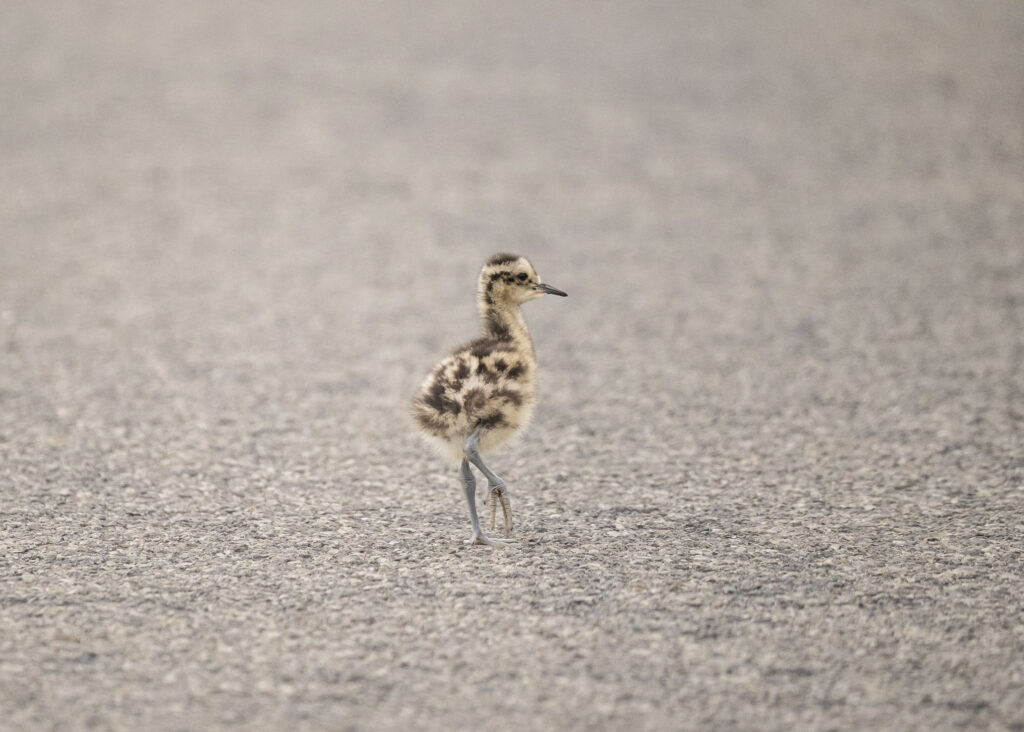
The story of our wetlands is equally transformative. For many, the ‘Cry of the Curlew’ is a hallmark of the Irish countryside, yet these breeding waders have faced a steep decline. In Fermanagh, the recent purchase of Inishcreenry marks a significant milestone, and will act as a flagship demonstration site.
This spirit of collaboration extends to our loughs. On the shores of Lough Neagh and Lough Beg, the focus is on practical land management. By introducing grazing and controlling scrub, Lough Neagh Partnership are creating the perfect conditions for ground-nesting birds. Further west in Donegal, BirdWatch Ireland is working closely with the community on Tory Island. Here, sixty local farmers are being empowered with the knowledge to safeguard nest sites for Corncrake and Curlew, proving that the future of wildlife lies in the hands of those who live alongside it.
The Northern Ireland Butterfly Conservation
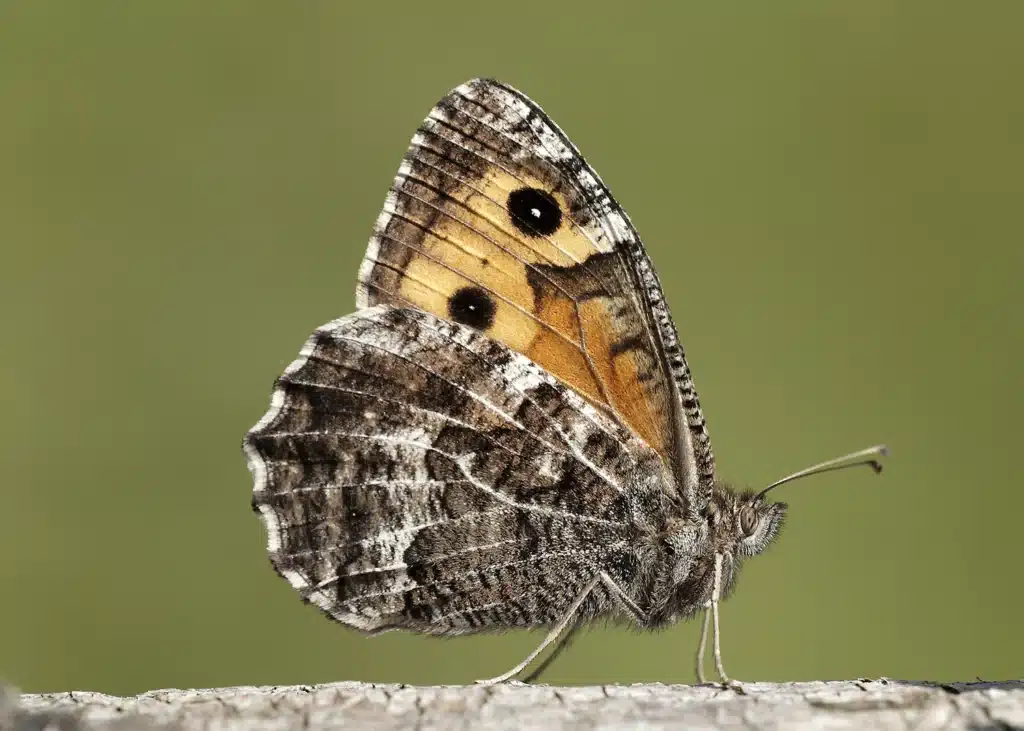
It isn’t just about the birds, however. Our rarer insects are also receiving. In the threatened limestone grasslands of Northern Ireland, Butterfly Conservation is tackling encroaching scrub to protect the Marsh Fritillary and the Cryptic Wood White butterflies. This work continues at Montiagh’s Moss, a vital stronghold for the Irish Damselfly. Through volunteer work parties and community surveys, local people are becoming the guardians of these delicate ecosystems.
Whether it is trialling innovative early-cover habitats for Corncrakes on Rathlin Island or using satellite tracking to monitor the movements of Merlins in the uplands, these projects represent a bold investment in our shared future. PeacePlus Nature wants to ensure that these iconic species and their habitats remain a living part of our landscape, not just a memory.